Skip to content


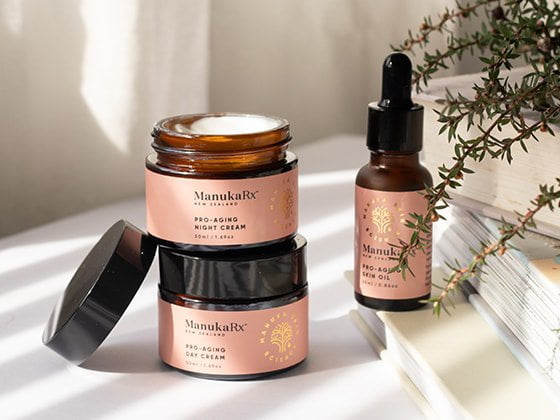
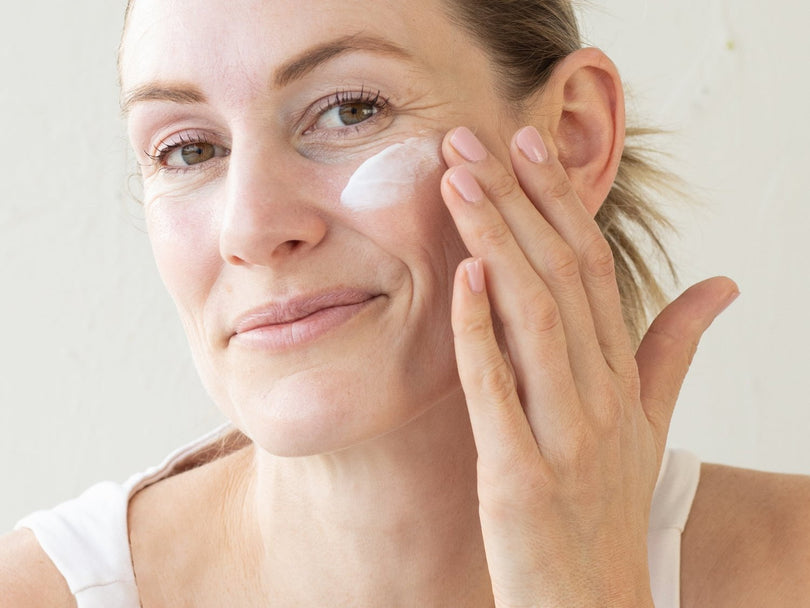

Spots that won't budge, products that sting, a routine that feels like guesswork, if you are in Auckland or anywhere in New Zealand, finding the best acne treatments can feel overwhelming. The good news is there are effective options, from GP-prescribed care to natural, science-backed skincare that is gentle and results-focused.
In this guide, we compare clinical and natural solutions, explain a simple routine for acne-prone skin, and show how East Cape manuka oil supports clearer, calmer skin without compromising your values.
- Clinical acne treatments in New Zealand: what to expect and how to access care
- Natural, science-backed options in NZ: East Cape manuka oil and more
- A simple, NZ-friendly routine for acne-prone skin, from Auckland humidity to South Island winters
- Fading acne marks and strengthening your skin barrier after breakouts
- Real-world tips from Auckland and across Aotearoa
- People Also Ask: quick answers for Kiwis
- FAQ
- Conclusion: your 2-week NZ acne action plan and next steps
- Sources
Clinical acne treatments in New Zealand: what to expect and how to access care
If your breakouts are moderate, ongoing, or leaving scars, clinical care is often the fastest and most reliable option. In New Zealand, your GP checks your skin, rates severity, starts treatment, and refers you to a dermatologist when needed. This is common practice in Auckland and other cities.
Expect a step-by-step plan. Your doctor often begins with topical treatments. If needed, they add short courses of oral medication. For stubborn congestion or scarring, in-clinic procedures might be suggested. Good skincare alongside prescriptions protects your skin barrier and lowers irritation.
Your options in NZ:
- Over-the-counter at the pharmacy: Benzoyl peroxide to reduce bacteria, salicylic acid to clear pores, gentle cleansers, non-comedogenic moisturisers, and SPF 50.
- Prescription topicals: Retinoids such as adapalene or tretinoin to regulate skin cell turnover, plus topical antibiotics, often paired with benzoyl peroxide. Use retinoids at night and wear sunscreen daily.
- Oral treatments: Short courses of antibiotics for inflamed acne, hormonal treatments for some women, and isotretinoin for severe or resistant acne. In NZ, many GPs start isotretinoin. You need blood tests and strict pregnancy precautions.
- In-clinic treatments: LED light therapy, chemical peels, microneedling, and certain lasers. These work best alongside a steady home routine.
Auckland note: Humidity, sweat, and sport can increase congestion. Cleanse after workouts. Avoid heavy or occlusive makeup under masks or helmets. Pack a gentle cleanser in your gym bag.
Pro Tip: Book your GP or telehealth appointment early if you are heading into exam season, wedding prep, or summer holidays around Aotearoa. Most plans take 6 to 12 weeks to show strong results.
Common Mistake: Stopping prescription treatment too early. When spots fade, continue as directed to lower the risk of relapse.
Natural, science-backed options in NZ: East Cape manuka oil and more
If you prefer a nature-led approach, you do not have to choose between natural care and results. In New Zealand, East Cape manuka oil stands out for its high triketone content. This keeps unwanted bacteria under control, calms visible redness, and supports a balanced skin microbiome. It suits blemish-prone skin in Aucklands humidity and during colder South Island winters.
Think of natural skincare as a steady system. Use a gentle, pH-balanced cleanser. Add ingredients that clarify and strengthen your barrier. Apply SPF every day. Many Kiwis blend clinical and natural steps to reduce irritation and maintain progress long term.
Helpful natural ingredients to look for:
- East Cape manuka oil: Use as a targeted treatment to calm blemishes and support skin comfort. Choose 100 percent pure oil for spot treating or a blended formula for daily use. Patch test first.
- Niacinamide: Balances oil and softens the look of redness and pores.
- Azelaic acid: Brightens post-blemish marks and supports clearer skin. Check availability at NZ pharmacies.
- Salicylic acid: A pore-clearing exfoliant. Start once or twice weekly.
If you prefer manuka-led formulas made in Aotearoa, explore:
- East Cape Manuka Oil [100% Pure]
- Blemish Oil
- Clearing Face Cream
- Blemish Control Gel
- Gentle Oil Cleanser
Pro Tip: Patch test any new active, natural or clinical, behind your ear or along your jawline for 48 hours before full use.
Common Mistake: Changing every product at once. Introduce one new step every 10 to 14 days so you can track progress.
A simple, NZ-friendly routine for acne-prone skin, from Auckland humidity to South Island winters
A short, consistent routine works better than a shelf full of strong actives. Adjust textures for your climate. In Aucklands humidity, choose lightweight gels or lotions. In Central Otago or Canterbury winters, layer hydrating toners and creams to prevent barrier stress.
Morning, three steps:
- Cleanse: Use a gentle, non-stripping formula. If your skin feels dry or sensitive, choose a cream or oil cleanser.
- Treat: Apply an antioxidant or brightening serum to even tone and support skin after breakouts.
- Moisturise and protect: Apply a non-comedogenic moisturiser and SPF 50. This step is essential under New Zealands high UV index. Reapply if you spend time outdoors, at the beach, or hiking.
Evening, three steps:
- Cleanse: Remove sweat, sunscreen, and makeup. Double cleanse if you wear long-wear products.
- Target: Apply your blemish treatment or a drop of manuka oil blend to breakout zones two to five nights each week.
- Try: Blemish Oil or Blemish Control Gel.
- Moisturise: Use a light cream or gel-lotion. If you use a prescription retinoid, apply moisturiser first to reduce dryness.
Rotate with care:
- Prescription nights: Use your retinoid on alternate evenings. Do not exfoliate on the same night.
- Clarifying nights: Use salicylic acid or a manuka-based clarifier once or twice weekly.
- Recovery nights: Focus on hydration and barrier repair.
Pro Tip: Use exfoliants regularly in small amounts rather than doing harsh scrubs once in a while.
Common Mistake: Over-washing. Twice daily suits most people. Add one extra cleanse after heavy sweating.
Fading acne marks and strengthening your skin barrier after breakouts
When pimples fade, marks can stay behind. In New Zealands strong sun, unprotected exposure can darken these marks. Daily SPF speeds up fading. Many people see more even-looking skin within six to eight weeks of steady brightening care.
Know your marks:
- PIH: Brown marks left after inflammation. Use vitamin C, azelaic acid, niacinamide, and SPF 50.
- PIE: Red marks from surface blood vessels after inflammation. Gentle care, sun protection, and time reduce their appearance. Some in-clinic treatments work faster.
Steps to take:
- Brighten each day with vitamin C in the morning and or azelaic acid at night.
- Exfoliate lightly with salicylic acid or a gentle exfoliant once or twice weekly.
- Strengthen your barrier with ceramides, squalane, and supportive botanicals such as manuka oil.
- Consider professional treatments like peels, LED, or lasers if tone or texture remains uneven. Discuss options with a dermatologist.
Product picks for manuka-led care:
Pro Tip: In Auckland summers and other high UV areas, apply SPF 30 to 50 every morning and reapply outdoors. Wear a hat and seek shade where possible to reduce darkening of marks.
Common Mistake: Treating marks like active acne. Once spots are flat, reduce strong acne actives and focus on brightening and barrier care.
Real-world tips from Auckland and across Aotearoa
Climate and daily life affect your skin. In Tamaki Makaurau Auckland, humid morning commutes or bike rides can leave you sweaty early in the day. Rinse gently and reapply moisturiser and SPF if needed.
From rugby to netball, sports gear traps sweat and friction. Cleanse after training and wear a light moisturiser under helmets or straps.
In Wellington and across the South Island, wind and cold air increase dryness and irritation. Add a hydrating mist and a slightly richer night cream during winter.
Across workshops in Auckland and online consultations nationwide, the biggest changes come from simple routines of three to four steps, daily SPF, and sticking with changes for at least six weeks.
People Also Ask: quick answers for Kiwis
Can my GP prescribe isotretinoin in NZ?
Yes. Many New Zealand GPs prescribe isotretinoin with regular monitoring. You will discuss side effects, dryness care, and strict pregnancy precautions.
What sunscreen suits acne-prone skin in New Zealand?
Choose SPF 50, labelled non-comedogenic, in a light gel or fluid texture for humid areas. Apply 15 minutes before sun exposure and reapply when outdoors, surfing, or tramping.
Is manuka oil safe for sensitive, acne-prone skin?
For many people, yes, especially East Cape manuka oil used in small, targeted amounts. Always patch test and start every second night.
How long until treatments work?
Over-the-counter topicals take four to eight weeks. Prescription retinoids take eight to 12 weeks. Isotretinoin shows changes within one to two months, with full courses lasting several months.
Do diet or stress affect acne?
Responses differ. High-glycaemic snacks and unmanaged stress are common triggers. Aim for steady sleep, balanced meals, and regular movement.
FAQ
What is the best acne treatment in New Zealand?
It depends on severity. For ongoing or severe breakouts, speak with your GP about clinical options. Pair treatment with a gentle manuka oil-based routine to protect your skin barrier and maintain clarity.
Is manuka oil suitable for sensitive, acne-prone skin?
Yes. East Cape manuka oil is known for calming visible irritation while keeping unwanted bacteria under control. Start with targeted use and build up slowly.
How long until I see results?
Many people notice calmer skin within two to four weeks of consistent care. For post-blemish marks, allow six to eight weeks of daily brightening and steady barrier support.
Can I combine prescription retinoids with natural products?
Yes. Use on alternate nights or apply moisturiser first to buffer retinoids. Keep exfoliation on separate evenings and wear SPF daily.
What if I am pregnant or breastfeeding?
Avoid prescription retinoids and isotretinoin. Check active ingredients with your GP or midwife. Choose gentle, fragrance-light routines and patch test botanicals first.
Conclusion: your 2-week NZ acne action plan and next steps
Use this checklist to move forward with clarity and consistency.
Days 1 to 3
- Simplify your shelf to one cleanser, one treatment, one moisturiser, and SPF 50.
- Patch test new actives such as manuka oil, salicylic acid, or vitamin C.
- Start treatment every second night.
Days 4 to 7
- Morning: Cleanse, apply vitamin C or antioxidant serum, moisturise, apply SPF 50.
- Evening: Cleanse, treat breakout zones, moisturise lightly.
- After the gym: Rinse or cleanse gently, reapply light moisturiser.
Week 2
- Add one or two gentle exfoliation sessions if your skin feels calm.
- Adjust textures to suit your climate. Choose lighter gels in humid Auckland. Add hydration in cooler, windy regions.
- Take photos in the same light to track changes.
If you want nature-led, New Zealand made options to support your routine, explore:
- Blemish Oil
- Skin Brightening Vitamin C Serum
- Extra Gentle Cleansing Soap
- Ultimate Blemish Control Routine
If your acne is severe, causing scars, or affecting your wellbeing, book an appointment with your GP or a local dermatologist in Auckland or your nearest city. Clinical treatment combined with a calm, consistent routine offers a clear path to stronger, clearer skin.
Ready to build your own acne routine with New Zealand made, manuka-led skincare? Explore the full ManukaRx range at ManukaRx and start your next two weeks with a simple, effective plan tailored to acne-prone skin.
Sources
-
New Zealand Dermatological Society. General information on acne and treatment pathways in NZ primary and specialist care.
-
BPAC NZ (Best Practice Advocacy Centre). Guidance on isotretinoin prescribing and monitoring by New Zealand GPs.
-
ManukaRx. Product information and ingredient insights for East Cape manuka oil-based skincare: https://manukarx.co.nz